Maintain Service with Reduced Staff
October 9, 2024
AI’s Legal Missteps: A Wake-Up Call for Lawyers Everywhere
January 15, 2025

A Brief Overview of South Africa’s Residential and Commercial Property Markets (2024)
Introduction
South Africa’s property market is navigating a period of transformation, marked by both challenges and opportunities. Real house prices have declined consistently since 2021, with a 4% drop in 2024 compared to 2023, but recent SARB rate cuts and easing inflation signal potential recovery (Daily Investor, 2024; SARB, 2024).
In contrast, the commercial real estate (CRE) market has shown resilience, reaching a valuation of R1.92 trillion in mid-2023, driven by growth in high-density metros and significant foreign investments like Saudi Arabia’s R9.5 billion project in Limpopo (BizCommunity, 2024; BusinessTech, 2024).
This article provides an overview of the residential, commercial, and industrial property markets in 2024, offering insights for buyers, sellers, and investors seeking to make informed decisions.
The Residential Property Market
The residential property market in South Africa has faced a prolonged downturn, with several indicators pointing to challenges for both buyers and sellers. However, recent economic developments offer glimmers of hope for recovery in the medium term.
Challenges Facing the Residential Market
Since 2021, real house prices have fallen consistently, including a 4% decline in 2024, with no signs of recovery (Daily Investor, 2024). The time properties spend on the market has also risen, averaging 12 weeks in 2023 compared to under 10 weeks in 2022 (FNB Property Barometer, 2024).
Economic pressures, including high unemployment and significant household debt burdens, exacerbate the situation. As of Q2 2024, the ratio of household debt to disposable income stood at 62.2%, while debt servicing costs accounted for 9.1% of disposable income (SARB, 2024). These factors have reduced the purchasing power of prospective homebuyers, keeping demand subdued.
Signs of Recovery
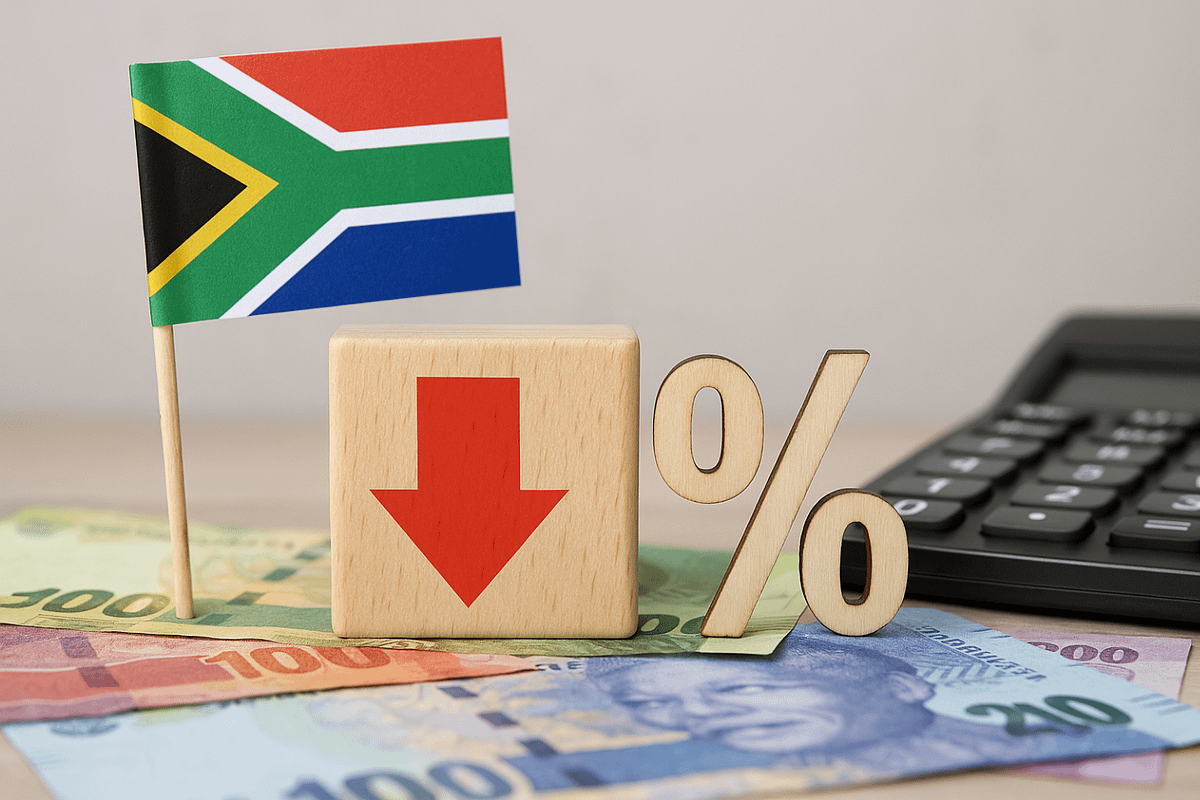
Despite recent challenges, the residential property market in South Africa shows early signs of a gradual recovery. The South African Reserve Bank’s decision to cut the repo rate by 25 basis points in both September and November 2024 has reduced borrowing costs, potentially improving affordability for buyers (SARB, 2024).
Additionally, annual inflation eased to 2.8% in October 2024, falling below the SARB’s target range. This decline is expected to strengthen household finances and boost buyer confidence, creating a more favourable environment for the housing market (Stats SA, 2024).
Housing Shortages and Supply Constraints
South Africa’s housing shortage continues to be a pressing issue. Building approvals for residential units declined by 25.8% in 2023, further constraining the supply of new homes (Stats SA, 2024). As demand gradually recovers, the shortage may exacerbate affordability challenges unless innovative solutions are implemented. Property24 CEO Nalen Naidoo has emphasised the need for faster, more efficient construction methods to address the growing demand (BusinessTech, 2024).
Key Takeaways
The residential property market remains under pressure, with high debt levels and limited supply creating obstacles for prospective buyers. However, favourable economic conditions—such as declining inflation and lower interest rates—could improve affordability and stimulate demand in the coming years. Understanding these dynamics is crucial for buyers and sellers navigating this challenging yet evolving market.
The Commercial Property Market
South Africa’s commercial property market is a standout performer in the country’s real estate landscape. Despite ongoing economic challenges, the sector remains robust, supported by significant investments, urban growth, and the resilience of high-demand property categories like retail and industrial spaces.
Overview of Growth
Valued at R1.92 trillion in mid-2023, South Africa’s commercial property market—Africa’s largest—has grown 48% since 2015, led by metros like Gauteng and the Western Cape (BizCommunity, 2024). High-density metros such as Gauteng and the Western Cape dominate the market, with their well-established urban infrastructure and economic activity driving demand.
Contributions from Listed Property Funds
A significant portion of the CRE market value—approximately R400 billion—is held by listed property funds. Growthpoint Properties, the largest listed property fund, reported assets valued at R70.5 billion, followed by Redefine Properties at R64.7 billion (BizCommunity, 2024). These entities play a critical role in maintaining market liquidity and providing investment opportunities.
The Role of Foreign Investments
Foreign investment continues to play a pivotal role in the growth of South Africa’s commercial property sector. A notable example is Saudi Arabia’s commitment of R9.5 billion towards the development of a platinum group metals (PGM) smelter and base metals refinery in Limpopo. This initiative, part of Saudi Arabia’s Vision 2030 strategy, underscores the strategic importance of South Africa’s resources in global markets (BusinessTech, 2024). The project is expected to stimulate significant economic activity in the Waterberg region, creating jobs and enhancing both the industrial and commercial property sectors. These investments highlight strong international confidence in South Africa’s market potential, particularly in areas with untapped opportunities for development.
Opportunities and Risks
Despite its resilience, the commercial real estate market is not without its challenges. Rising operational costs, driven by increases in property rates and taxes, pose a risk to profitability. Municipalities, heavily reliant on property rates for revenue, often exert pressure on valuers to ensure accurate assessments, though this can sometimes lead to disputes over inflated valuations (BizCommunity, 2024). Additionally, while urban centres like Gauteng and the Western Cape drive the bulk of commercial activity, regions such as Mpumalanga and Limpopo face significant infrastructure deficits and underdevelopment. These disparities illustrate the uneven growth within the market, with emerging areas requiring substantial investment to unlock their potential.
Key Takeaways
The commercial property market in South Africa remains a pillar of the economy, offering opportunities for investors and businesses. High-density metros provide stable returns, while emerging regions present untapped potential. However, navigating the sector requires careful attention to costs, regulatory environments, and local market conditions.
The Industrial Property Market
The Role of Industrial Properties
The industrial property market, while less publicised than its residential and commercial counterparts, is a cornerstone of South Africa’s economy. This sector is characterised by high demand for logistics, warehousing, and manufacturing facilities, driven by global trade recovery and the continued rise of e-commerce (Global Property Guide, 2024). Urban hubs like Gauteng and Durban have become key centres for industrial activity due to their strategic locations, proximity to ports, and established transport networks (BusinessTech, 2024).
Infrastructure and Trade Development
Recent investments in infrastructure and the implementation of trade agreements, such as the African Continental Free Trade Area (AfCFTA), have further elevated the importance of industrial properties (Global Property Guide, 2024). These developments are increasing the demand for strategically located storage and distribution facilities along key trade corridors. As South Africa seeks to position itself as a major player in regional and global trade, industrial properties are expected to play a central role in meeting these logistical and operational needs.
Challenges Facing the Sector
Despite its strengths, the industrial property market faces notable challenges. Operational costs, including maintenance and utilities, can fluctuate, impacting profitability for investors and developers (Global Property Guide, 2024). Furthermore, regional disparities remain a significant hurdle. While urban areas like Johannesburg and Durban are well-served with modern infrastructure, more remote regions lack the connectivity and facilities necessary to attract large-scale investment (BusinessTech, 2024). Bridging these gaps is critical for fostering inclusive growth within the sector.
Opportunities for Investors
For investors, the industrial property market offers considerable long-term potential, particularly in logistics and trade-related facilities. As infrastructure development continues and South Africa strengthens its trade networks, the demand for well-located industrial properties is set to grow. Understanding the nuances of regional markets and staying attuned to developments in trade and logistics will be key for investors looking to maximise returns in this evolving sector (Global Property Guide, 2024; BusinessTech, 2024).
Economic and Policy Influences
Interest Rates and Inflation
The South African Reserve Bank’s (SARB) recent policy shifts have brought much-needed relief to the property market. After a prolonged period of high interest rates, which peaked at 8.25%—a 15-year high—the SARB implemented two consecutive 25 basis point rate cuts in September and November 2024, reducing the repo rate to 7.75% (SARB, 2024). This easing of monetary policy has begun to lower borrowing costs, offering potential respite for buyers and investors alike.
Inflation has also shown significant improvement, with annual headline inflation cooling to 2.8% in October 2024, down from 3.8% in the previous month (Stats SA, 2024). This decline, well below the SARB’s target range of 3%–6%, is expected to boost consumer confidence, improve affordability, and stimulate demand across all property sectors.
Government of National Unity (GNU)
The establishment of the Government of National Unity (GNU) following South Africa’s 2024 elections has had a stabilising effect on the economy. The formation of this 10-party coalition has ushered in a more favourable political climate, fostering investor confidence and creating a foundation for economic reforms (BusinessTech, 2024). Analysts attribute part of the property market’s optimism to this improved political stability, which has enhanced the country’s appeal to both local and international investors.
The GNU’s focus on infrastructure, service delivery, and economic inclusivity is particularly relevant to the property market. Improved municipal service delivery in regions like the Western Cape has already demonstrated how governance impacts property values, as areas with reliable services tend to attract both residents and businesses, driving demand and investment (Daily Investor, 2024).
Foreign Investment and Trade Agreements
Foreign investments and trade agreements are increasingly influencing South Africa’s property landscape. The Saudi Arabian government’s R9.5 billion investment in a platinum group metals (PGM) smelter in Limpopo highlights the strategic importance of South Africa’s resources and infrastructure (BusinessTech, 2024). This project is expected to stimulate regional economic activity, further integrating South Africa into global supply chains.
Additionally, trade agreements like the African Continental Free Trade Area (AfCFTA) are expected to bolster industrial property demand by increasing regional trade and investment opportunities (Global Property Guide, 2024). These initiatives align with the country’s broader economic goals of fostering growth, improving competitiveness, and unlocking property market potential.
Key Takeaways
Economic and policy factors are reshaping South Africa’s property market, offering both challenges and opportunities. Lower interest rates, declining inflation, and political stability are creating a more supportive environment for buyers, sellers, and investors. However, sustained growth will depend on the government’s ability to maintain this momentum, address systemic issues such as housing shortages, and continue attracting foreign investments to underdeveloped regions.
Conclusion
South Africa’s 2024 property market reflects both challenges and opportunities. While residential prices face headwinds, signs of recovery, supported by easing inflation and SARB rate cuts, offer hope for medium-term growth.
The commercial property market remains a beacon of resilience, with its valuation reaching nearly R2 trillion. High-density urban areas dominate, bolstered by strong international investments such as Saudi Arabia’s R9.5 billion commitment to Limpopo. At the same time, the industrial property market, though often overshadowed, plays a critical role in supporting logistics and trade, particularly as infrastructure investments and regional trade agreements unlock its potential.
Policy and economic shifts, including the formation of the Government of National Unity and the SARB’s monetary easing, have created a more favourable environment for property sector growth. Yet, challenges such as housing shortages, uneven regional development, and rising operational costs underscore the importance of innovation and strategic planning.
Whether navigating residential, commercial, or industrial opportunities, understanding these complexities is essential for buyers, sellers, and investors. As conveyancing attorneys, we provide the expertise to guide you through this evolving market, ensuring your transactions are secure, compliant, and aligned with your goals. Contact us today to make informed decisions in South Africa’s dynamic property market.