The Rise of BPO in UK Conveyancing
May 3, 2024
Seeds of Change: Part 3
May 17, 2024

Seeds of Change: Realising South Africa's Hemp Potential
Part 2: Cultivating Economic Potential

Introduction
In the first part of our series, we explored the history of hemp and the legislative evolution that has now enabled the cultivation of hemp in South Africa, as well as a brief summary of these new regulations for the cultivation of hemp. Moving from the groundwork laid in Part 1, we now turn to the potential economic benefits that this burgeoning sector promises. The potential for significant economic growth, job creation, and rural development within the hemp industry in South Africa is vast and multifaceted, reflecting a global trend towards recognising and capitalising on the value of hemp across various sectors, especially when one considers the demand for environmentally sustainable materials across almost all industries globally.
Economic Potential
The Department of Agriculture, Land Reform & Rural Development in their Update on the Hemp Regulatory Framework for South Africa has estimated the potential of the Cannabis industry in South Africa to be about R28 billion, with an estimated 10 000 to 25 000 possible jobs to be created. President Cyril Ramaphosa, in his State of the Nation Address in 2022, said that “[t]he hemp and cannabis sector has the potential to create more than 130 000 new jobs.” According to Facts and Factors, the global industrial hemp market size was valued at $4.5 billion in 2021 and is expected to reach $17.24 billion by 2030. Is it thus clear that, if implemented and regulated correctly, the cannabis industry has huge potential in South Africa.
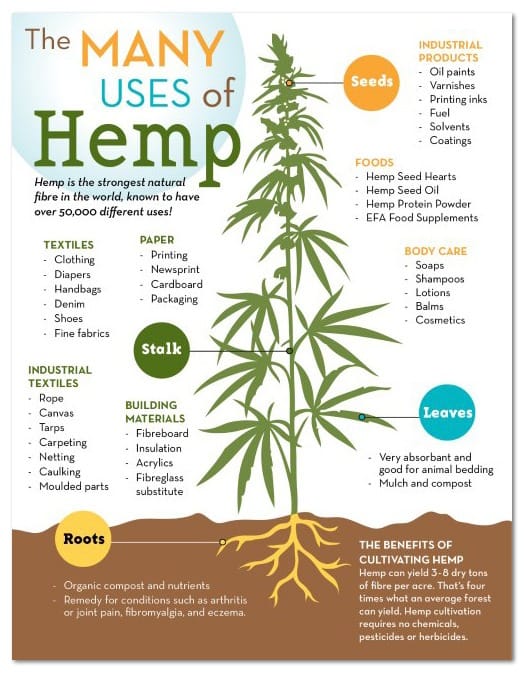
It must also be noted that the cannabis industry as a whole has the potential to create opportunities across many different industries. From direct businesses like cultivation and processing, to other industries like cosmetics, fuels, plastics, textiles, and construction material, the cannabis industry can elevate itself and other industries through innovation and cross-sector cooperation. This also includes the creation or expansion of support industries, such as agricultural supply companies (fertilizer companies, equipment suppliers etc), logistics companies, and hemp-based product manufacturers.
A comprehensive analysis of the economic and socio-economic benefits of the cannabis industry - as well as the uses for hemp - is a topic more suited for a research paper (of which there are many), but it is clear that the benefits could be immense and diverse. There are three core benefits however that I would be remiss to exclude, these being: rural development and poverty alleviation; job creation; and tax revenue.
Rural Development and Poverty Alleviation
The cannabis industry provides a promising path for rural development and poverty alleviation by offering alternative income sources for small-scale farmers, particularly in historically disadvantaged communities. By diversifying agricultural activities, cannabis cultivation can help lift farmers out of poverty and contribute to the development of rural economies. It must also be borne in mind that currently there are numerous rural communities that have in the past relied on the illegal cannabis sector to generate income, and the subsequent legalisation of cannabis may have a negative effect in such communities unless they are able to take part in the newly emerging industry. While it is not the government’s responsibility to provide opportunities for previously illegal growers, public interest would dictate the inclusion of these growers to bring their operations under the legal regulations and provide them with the opportunity to conduct their activities in a manner within the law that contributes economically.
Job Creation
The cannabis industry has the potential to stimulate job creation and economic growth across various sectors of the South African economy, from farming and processing to manufacturing and distribution. Coupled with the versatility of hemp-derived products, ranging from textiles and paper to construction materials and biofuels, job creation can be achieved across the entire supply chain. This was alluded to by the President in his State of the Nation address from 2022, where he stated that “[a]n important pillar of [South Africa’s] Economic Reconstruction and Recovery Plan is to revitalise our manufacturing base and create globally competitive export industries.”
Tax Revenue
The legalisation and subsequent regulation of the cannabis industry can generate significant tax revenue, as seen across the globe in nations and states who have successfully legalised and regulated cannabis. Taxes levied on cultivation, production, and sales can contribute to public coffers which can be allocated to essential services such as healthcare, education etc, or reinvested into the industry to spur further growth. This is unfortunately dependent on the fiscal responsibility of government as corruption within the government will undermine the effective collection and allocation of tax revenue generated by the cannabis industry, hindering its potential to contribute to rural development, poverty alleviation, and job creation.
With such a clear benefit to be derived from participation in the cannabis industry, it is no wonder that the South African Government have recognised the cannabis and hemp sector as one of 14 priority sectors that have been defined in the government’s ‘Country Investment Strategy’ as holding significant potential to secure investment, job creation, and support for sustainable rural livelihoods.
Conclusion
As we conclude our brief examination of the economic benefits of the hemp industry in South Africa, it's evident that the sector holds incredible potential for boosting the national economy, creating jobs, and advancing rural development. The anticipation of a R28 billion industry capable of generating upwards of 130,000 jobs underscores the transformative impact hemp could have on South Africa's socio-economic landscape. The potential is not limited to the cannabis industry in isolation but can also have an impact across a wide range of different industries. Yet, as we look forward to the final part of our series, it's crucial to acknowledge the challenges that accompany this green gold rush. Part 3 will examine these hurdles, from regulatory considerations to market access and the integration of traditional cannabis cultivators into the legal framework. By addressing these challenges head-on, South Africa can fully harness the economic power of hemp, ensuring a prosperous and sustainable future for all stakeholders involved.